|
I am an Associate Professor (2026.07-) in the Department of Computing at The Hong Kong Polytechnic University (previously Asst Prof: 2020.11-2026.06). I completed my D.Phil degree (2016.10-2020.09) in the Department of Computer Science at University of Oxford, supervised by Profs. Niki Trigoni and Andrew Markham. Prior to Oxford, I obtained an M.Phil degree from The University of Hong Kong and a B.Eng degree from Beijing University of Posts and Telecommunications. In my D.Phil study, I interned at the Augumented Reality team of Amazon (Palo Alto, CA). In my M.Phil study, I interned at Hong Kong Applied Science and Technology Research Institute. In my undergraduate study, I was an exchange student at Universitat Politècnica de València (Valencia, Spain). |
 |
|
I lead the Visual Learning and Reasoning (vLAR) Group, focusing on the fundamental research problems in machine learning, computer vision, and robotics. Our research goal is to build intelligent systems which endow machines to understand and interact with the real 3D world. Openings (Jul 2026-): Multiple fully funded PostDocs/RAs/PhDs((All emails/CVs are carefully read and evaluated. Only matched candidates will be responded.) |
[2026.06.18] Our PhysMani/NeoMap/PrimitiveUDF on 3D world model/novel view synthesis/surface reconstruction are accepted by ECCV 2026. [2026.05.01] Our FoundObj on 3D semantics learning is accepted by ICML 2026. [2026.02.21] Our PhysInOne/EvObj/UniMatch/DynFusion on learning 3D physics/semantics/registration/T2I are accepted by CVPR 2026. [2025.11.25] Our GrowSP++ on 3D semantics learning is accepted by TPAMI. [2025.11.08] Our NeuroSculptor3D on cognitive 3D perception is accepted by AAAI 2026. [2025.06.25] Our TRACE/RayletDF (Highlight) on 3D physics/geometry learning are accepted by ICCV 2025. [2025.05.01] Our unMORE on object-centric learning is accepted by ICML 2025. [2025.02.27] Our FreeGave/LogoSP on 3D physics/semantics learning are accepted by CVPR 2025. [2025.01.23] Our GrabS (Spotlight) on 3D semantics learning is accepted by ICLR 2025. [2024.05.23] Our extension of OGC on 3D semantics learning is accepted by TPAMI. [2024.05.02] Our OSN on 3D geometry learning is accepted by ICML 2024. [2024.01.29] Our DynCatch on robot learning is accepted by ICRA 2024. [2024.01.09] Our extension of UnsupObjSeg on object-centric learning is accepted by IJCV. [2023.09.22] Our RayDF/NVFi on 3D geometry/physics learning are accepted by NeurIPS 2023. [2023.03.31] We are going to organize The 3rd Challenge on Point Cloud Understanding at ICCV 2023. [2023.02.28] Our GrowSP on 3D semantics learning is accepted by CVPR 2023. [2023.01.22] Our DM-NeRF on 3D semantics learning is accepted by ICLR 2023. [2023.01.18] Our DecoupSkill on robot learning is accepted by ICRA 2023. [2022.09.03] Our OGC/UnsupObjSeg on semantics learning are accepted by NeurIPS 2022. [2022.07.03] Our SQN on 3D semantics learning is accepted by ECCV 2022. [2022.05.26] Our extension of SpinNet on 3D geometry learning is accepted by TPAMI. [2022.05.04] We are going to organize The 2nd Challenge on Point Cloud Understanding at ECCV 2022. [2021.11.11] Our extension of SensatUrban on 3D semantic learning is accepted by IJCV. [2021.07.23] Our GRF on 3D geometry learning is accepted by ICCV 2021. [2021.05.15] Our extension of RandLA-Net on 3D semantic learning is accepted by TPAMI. [2021.04.09] We are going to organize The 1st Challenge on Point Cloud Understanding at ICCV 2021. [2021.03.01] Our SensatUrban/SpinNet on 3D semantics/geometry learning are accepted by CVPR 2021. [2021.02.28] Our RadarLoc is accepted by ICRA 2021. [2020.11.28] We organize a tutorial about 3D point cloud learning at 3DV 2020. [2020.02.27] Our RandLA-Net (Oral) on 3D semantics learning is accepted by CVPR 2020. [2019.09.03] Our 3D-BoNet (Spotlight) on 3D semantics learning is accepted by NeurIPS 2019. [2019.08.16] Our AttSets on 3D geometry learning is accepted by IJCV. [2018.08.22] Our 3D-RecGAN++ on 3D geometry learning is accepted by TPAMI. |
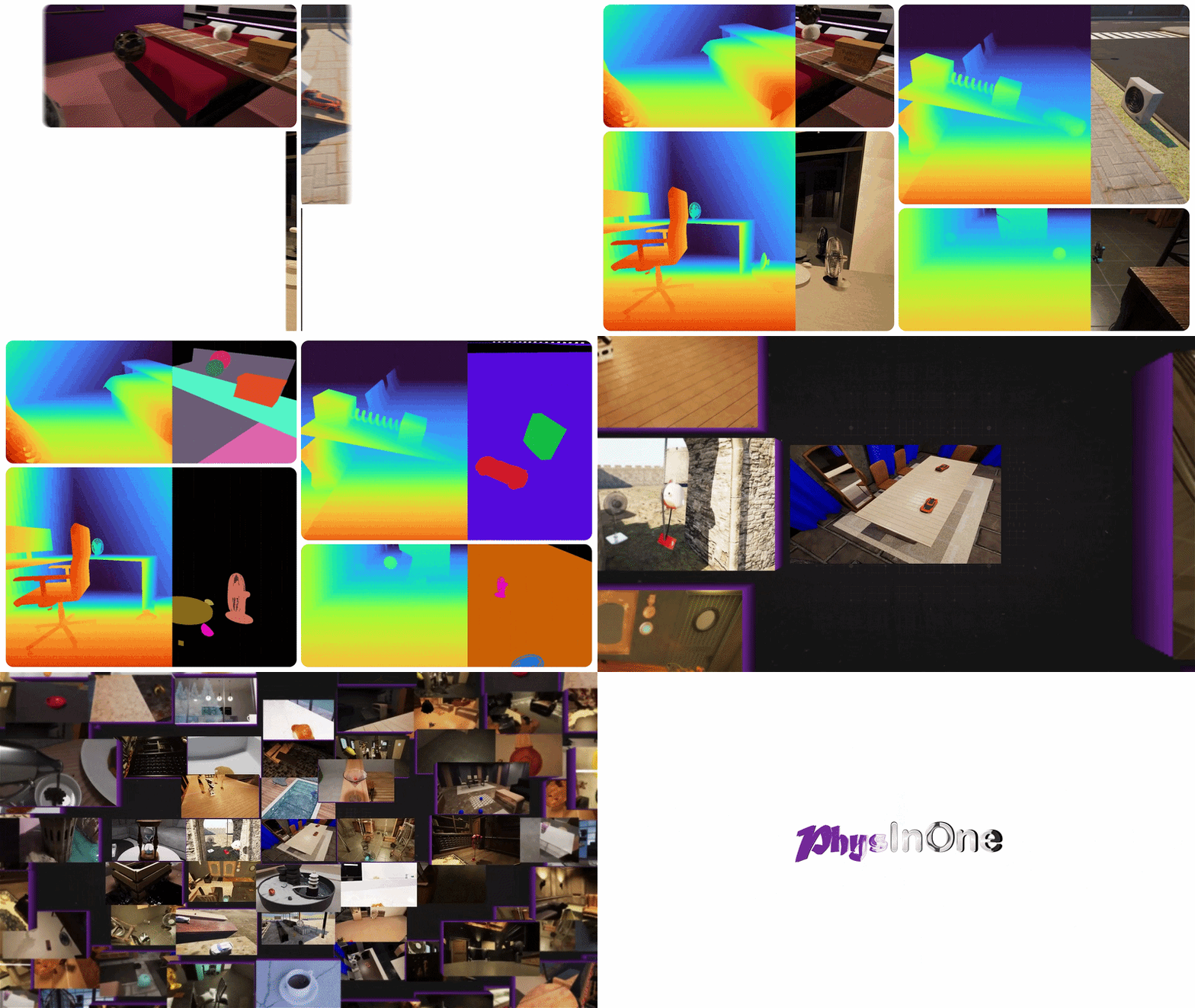 |
PhysInOne is the largest dataset to help AI systems learn and reason about fundamental physical laws. |
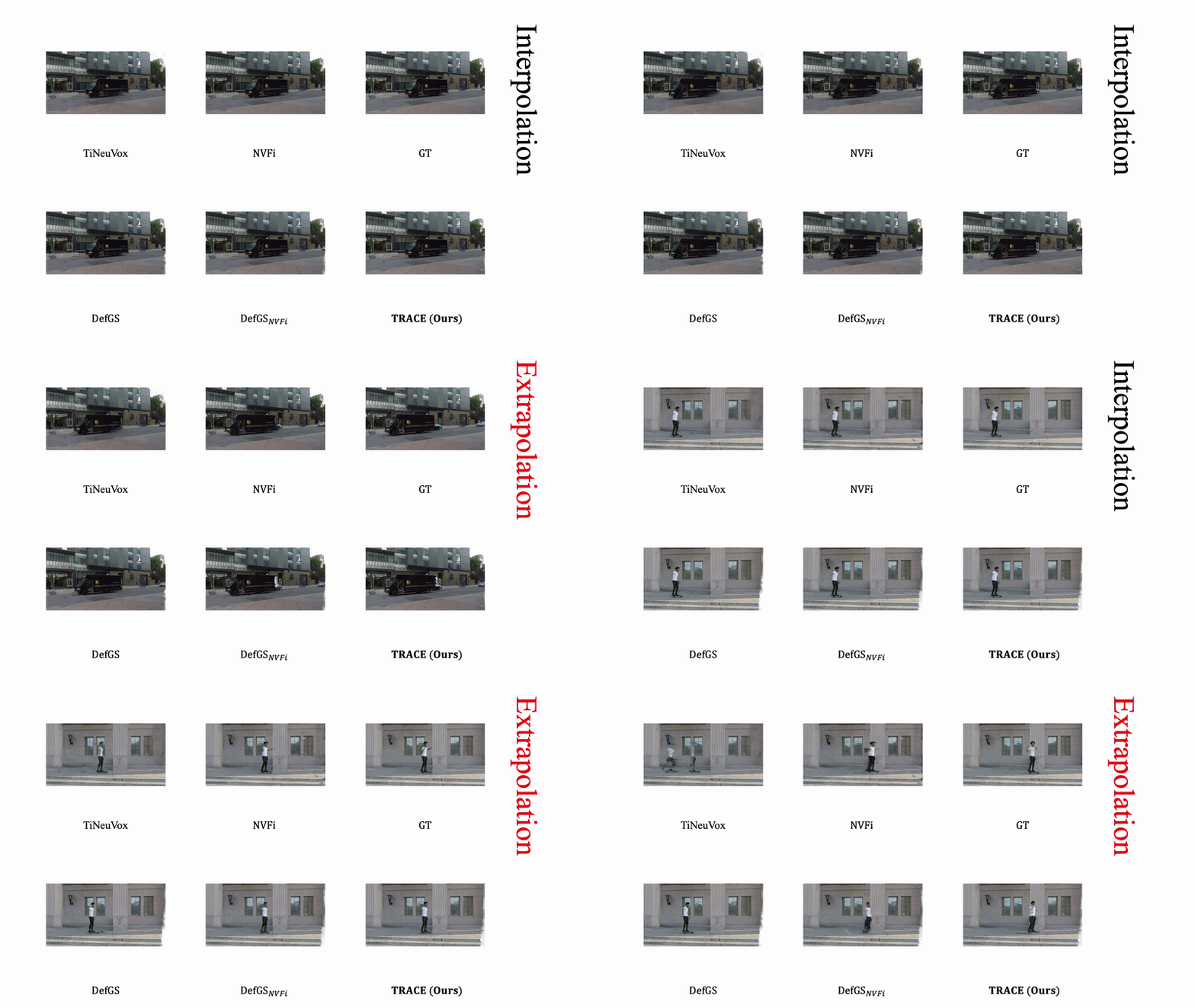 |
We present a new framework for modeling complex dynamic 3D scenes as particles with physical parameters, enabling the prediction of future frames. |
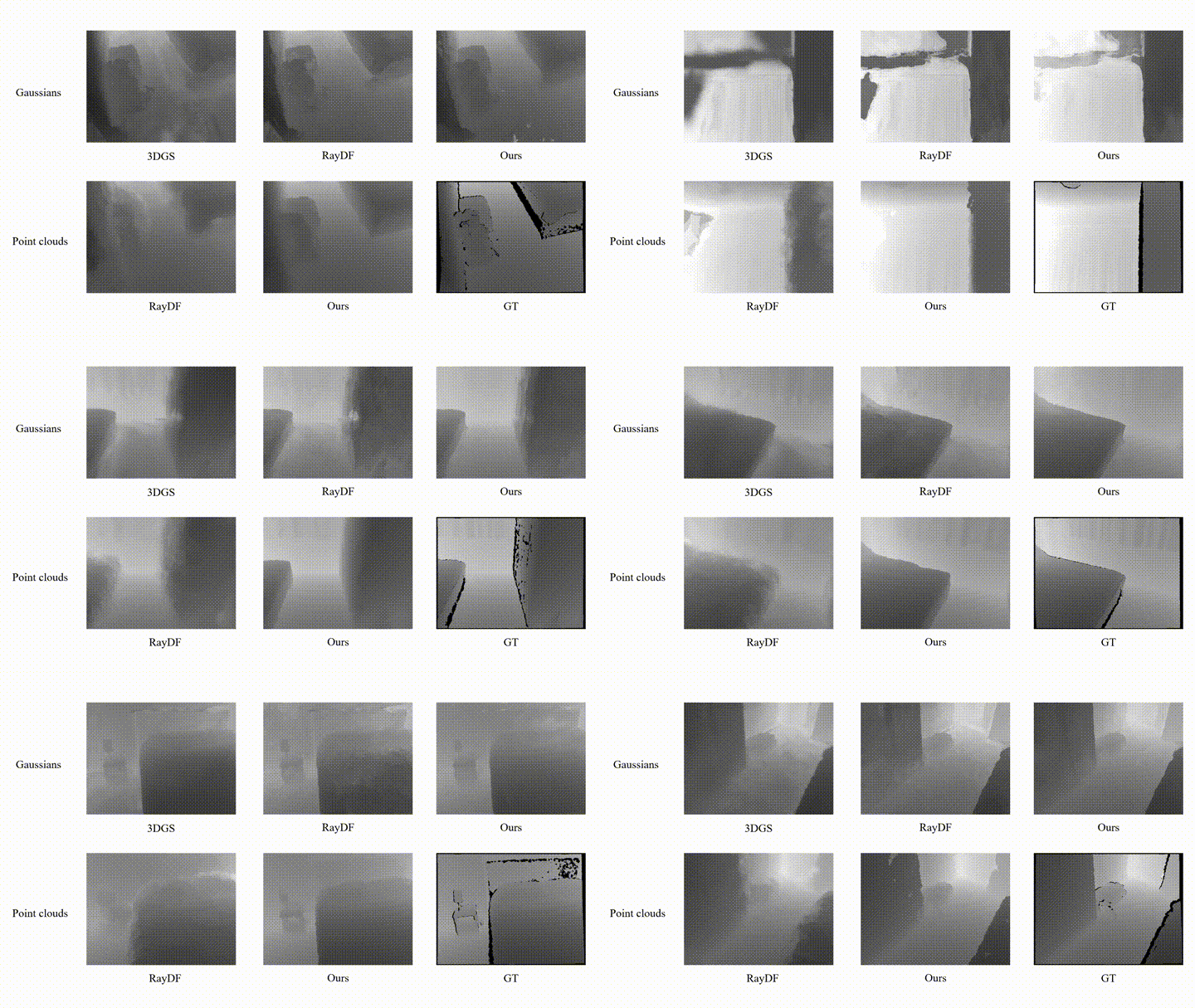 |
We propose a new method that leverages ray-based distance fields for efficient, generalizable 3D surface reconstruction from point clouds or 3D Gaussians. |
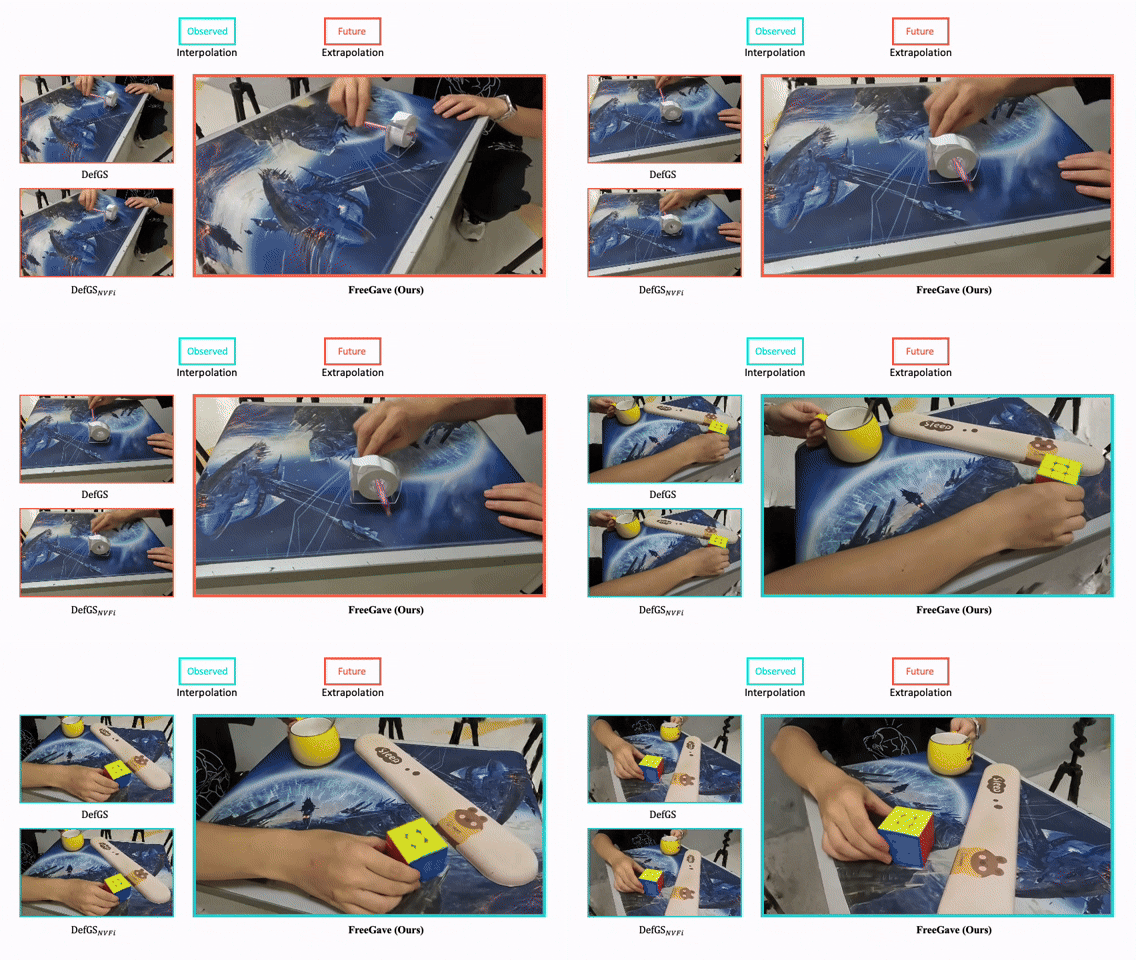 |
We propose a new framework that learns complex 3D physical dynamics by estimating a divergence-free velocity field for 3D Gaussian kernels. |
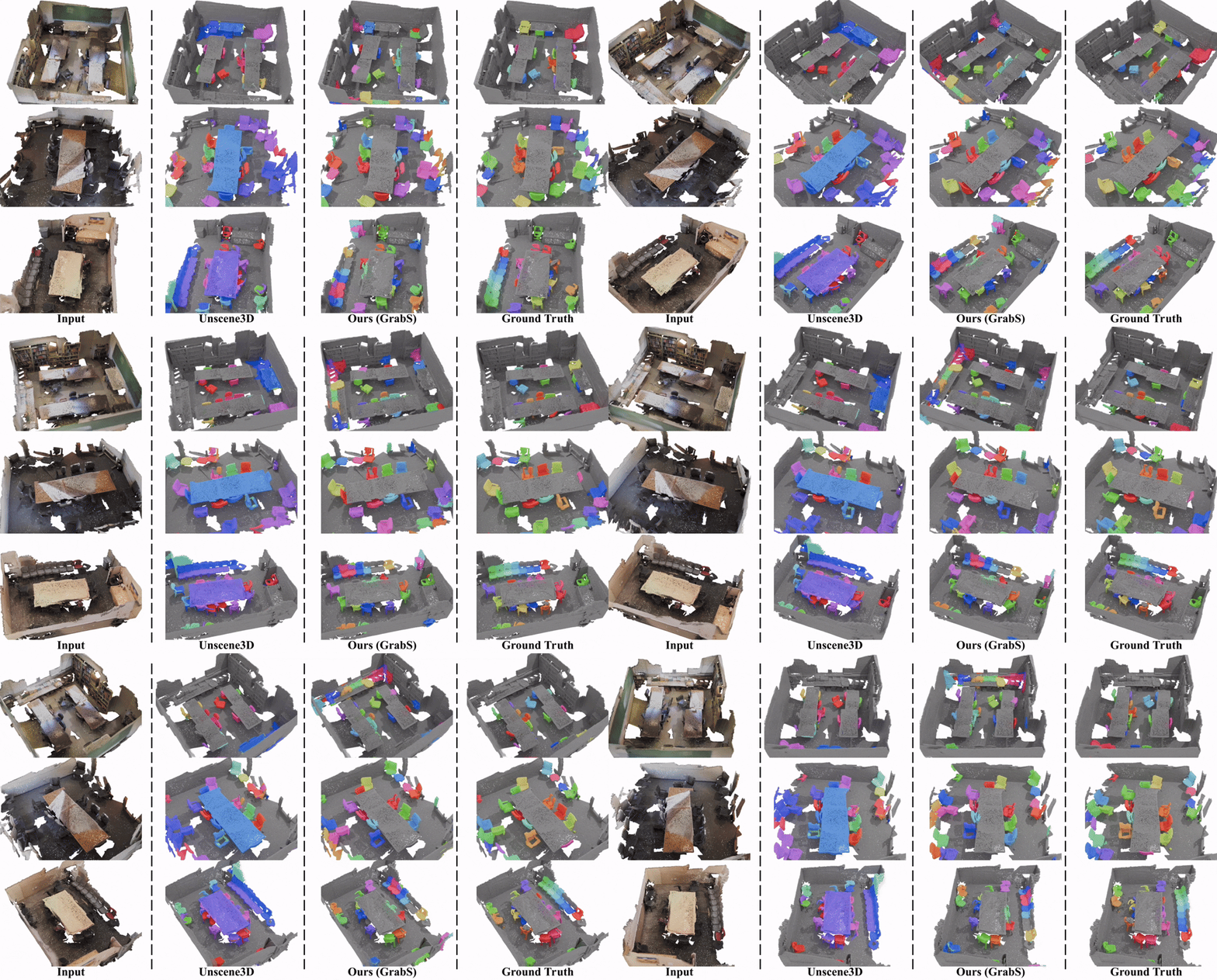 |
We introduce a new unsupervised 3D object segmentation method by querying against pretrained generative and discriminative priors. |
 |
This thesis aims to understand scenes and the objects within them by learning general and robust representations using deep neural networks, trained on large-scale real-world 3D data. In particular, the thesis makes three core contributions from object-level 3D shape estimation from single or multiple views to scene-level semantic understanding. |
[2025.07] Invited talk about 3D Physics Learning at Chaspark Live (Video and Transcript). [2025.06] Invited talk about Unsupervised 3D Spatial Understanding of Point Clouds at MMT 2025. [2025.04] Invited talk about Unsupervised 3D Semantics Learning at Cambridge University. [2025.04] Invited talk about 3D Physics Learning at CVM 2025. [2024.12] Invited talk about 3D Physics and Semantics Learning at Tongji University. [2023.05] Invited talk about Unsupervised 3D Semantic and Instance Segmentation at VALSE webinar (Video). [2022.12] Invited talk about Unsupervised 2D/3D Object Segmentation at TechBeat forum (Video). [2022.06] Invited talk about 3D Scene Reconstruction, Decomposition and Manipulation at Xiamen University. [2021.10] Invited talk about 3D Representation Learning at GAMES Webinar (Video). [2021.04] Invited talk about Beyond Supervised Learning for 3D Representations at a CSIG workshop (Video). [2020.10] Invited talk about 3D Scene Understanding at Wonderland AI Summit (Video). [2020.09] Invited talk about 3D Point Cloud Segmentation at MFI 2020. [2020.03] Invited talk about our RandLA-Net and 3D-BoNet at Shenlan (Video and Slides). [2018 -] Regularly chairing/reviewing for top-tier conferences/journals in ML, CV, and robotics. |
Spring, 2024&2025: AI and Big Data Computing in Practice (The Hong Kong Polytechnic University). Fall, 2023&2024&2025: Machine Learning and Data Analytics (The Hong Kong Polytechnic University). Spring, 2023&2024&2025: Creative Digital Media Design (The Hong Kong Polytechnic University). Spring&Fall, 2021&2022: Machine Learning and Data Analytics (The Hong Kong Polytechnic University). Hilary, 2019: Knowledge Representation & Reasoning (University of Oxford). Michaelmas, 2018&2017: Machine Learning (University of Oxford). Spring, 2014: C++ Programming (The University of Hong Kong). |
Qingyong Hu (Oct 2018 - ): Department of Computer Science at University of Oxford. Alexander Trevithick (Oct 2019 - Mar 2021): Now PhD at UCSD. Jianan Wang (May - Dec 2018): Now with Google DeepMind. Zihang Lai (Oct 2017 - Mar 2018): Now PhD at CMU. |
|
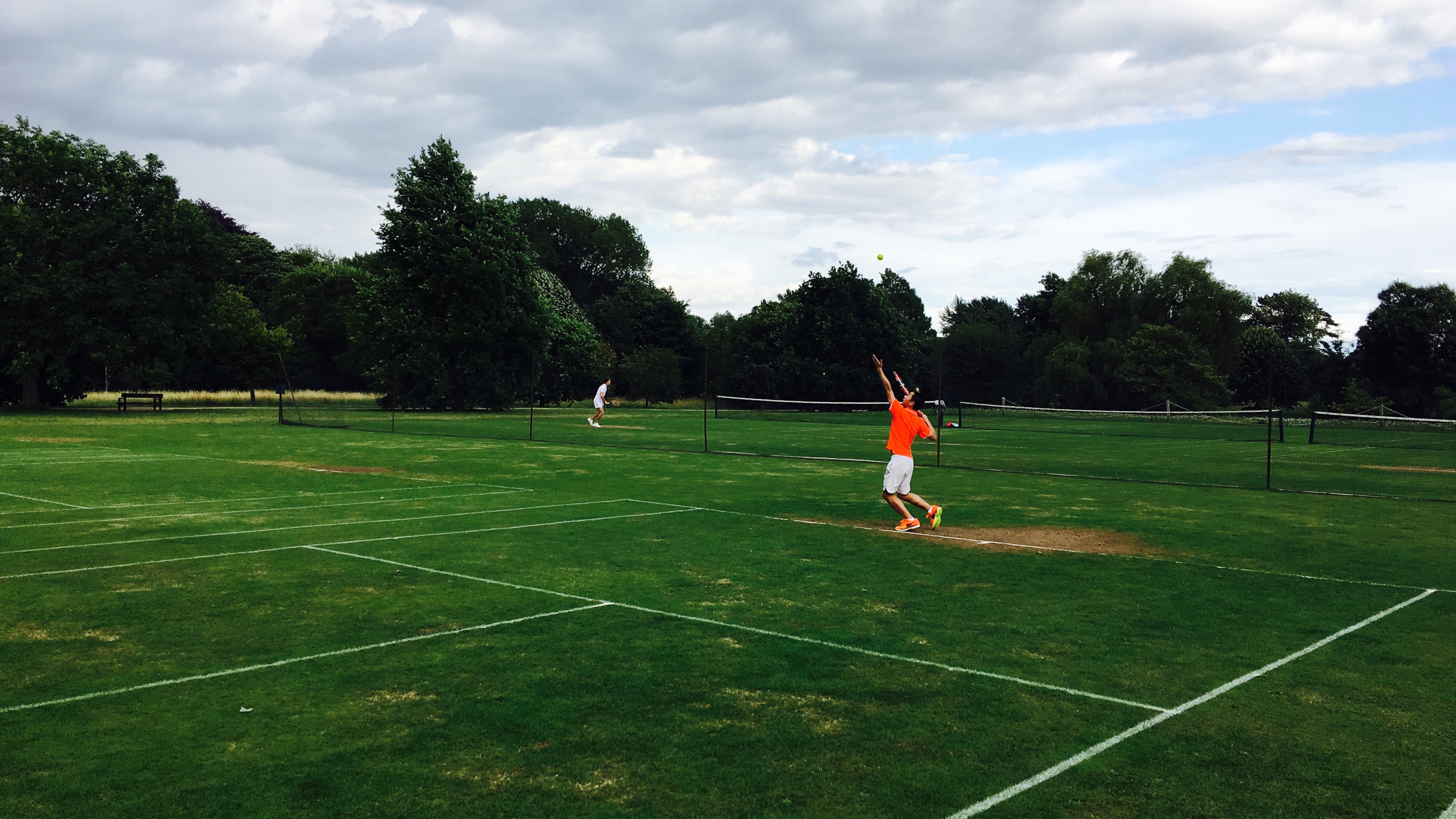
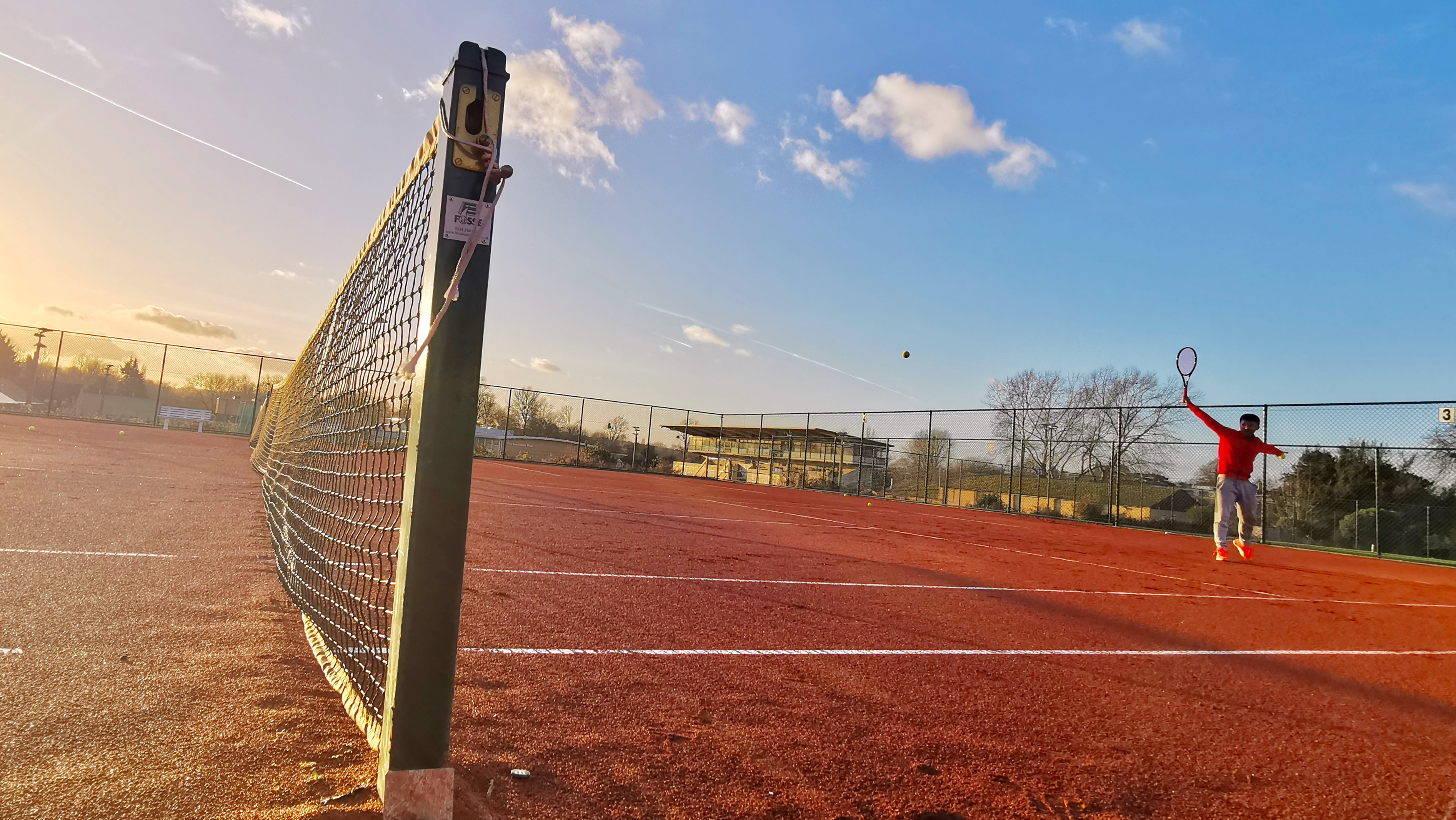
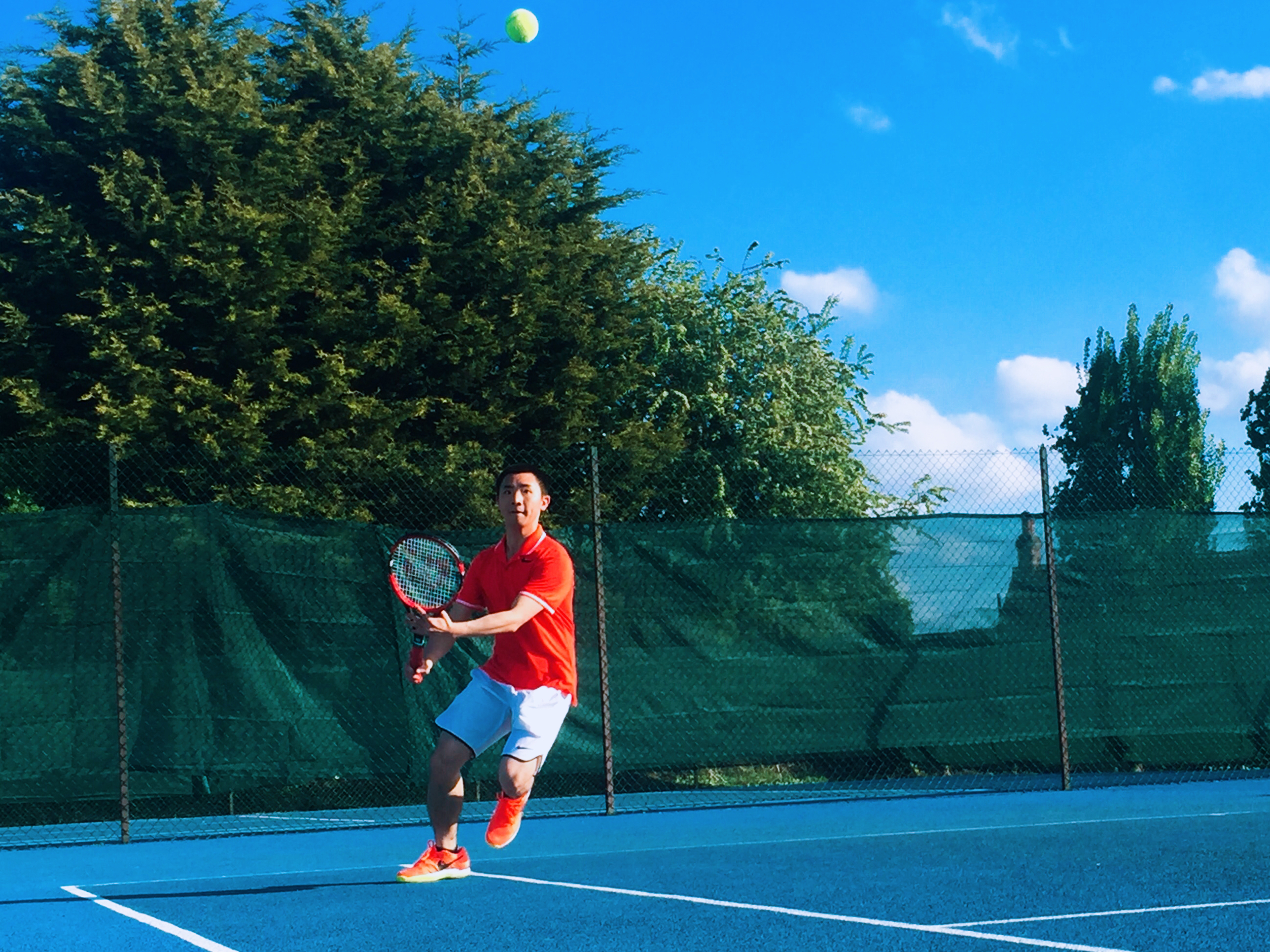
In my free time, I like playing tennis on lawns, clays, and hard surfaces. I also like to fly drones for landscape photography. Here's a video over the historic Oxford [Youtube, 腾讯视频], and another video for the scenic Lake District [Youtube]. Remember to turn up the volume for the background music. |
|
|
Last update: 2026.07. Thanks. |